
Follow your Gut – Eating for Brain Health
The stomach has been recently nicknamed the ‘Second Brain’ by many scientists.
Often we talk about a “gut feeling” when we meet someone for the first time, or are faced with a new situation. And we are told to trust it…it’s almost always right.
This mind-gut connection is not just metaphorical – the connection is primal and it serves a purpose, refined by millions of years of evolution. Between the gut and the brain are an extensive network of neurons and a superhighway of chemicals and hormones which pass on messages. If you are stressed or anxious, your stomach generally knows how you feel, immediately.
Food fuels both body and mind. We eat nutritious foods so that our bodies can grow, repair, and function well. Much like our body, our brain needs nutritious foods too. In fact, the brain accounts for around 20% of our total daily energy requirements. And it stands to reason that the better we look after our gut, the more we nurture that connection to the brain, and pass on the healthy chemicals we need for good mental health.
A study conducted by the Food and Mood Centre called the Smiles Trial, took participants with depression and put them into two social support groups, one of which had a dietary intervention. The participants in this group worked in collaboration with the dietitian to make improvements to their overall diet quality. For example, increasing their weekly fish consumption, or swapping the occasional chocolate ice-cream for natural yoghurt with walnuts and a drizzle of honey.
After the three-month research trial, the results found a third of those in the dietary support group met criteria for remission of major depression, compared to 8 percent of those in the social support group. The published paper for this study can be found here.
These results were not explained by changes in physical activity or body weight but were closely related to the extent of dietary change. In other words, those who improved their diet the most experienced the greatest benefit to their depression.
There is so much more information coming out about this subject and there are some really interesting podcasts I’ve been listening to from The Doctor’s Kitchen. I highly recommend adding some of these to your listening lists!
So what foods are best for our mental health?
Oily Fish
DHA, found in oily fish, is an Omega-3 fatty acid, which helps improve both short and long-term memory, contributing to optimal brain health. Additionally, a diet high in Omega 3 fatty acids can also help to boost feelings of mental health and wellness and reduce levels of anxiety. You can find DHA in salmon, trout, and prawns. If seafood really isn’t your deal, there are some really good fish oil supplements out there.
Wholegrains
According to studies, wholegrains are a rich source of tryptophan, an amino acid that helps to produce serotonin (aka, the ‘feel-good hormone’). Serotonin assists in calming the mind, improving your mood and maintaining a steady sleep cycle.
Beans
Full of fibre and antioxidants, beans and legumes (chickpeas, lentils, and kidney beans, for example) keep you fuller for longer, keeping your blood sugar stable and enabling you to burn more energy (which, as we know is essential for good mental health). Beans also contain thiamine, a vitamin needed for the production of acetylcholine (the neurotransmitter essential for memory).
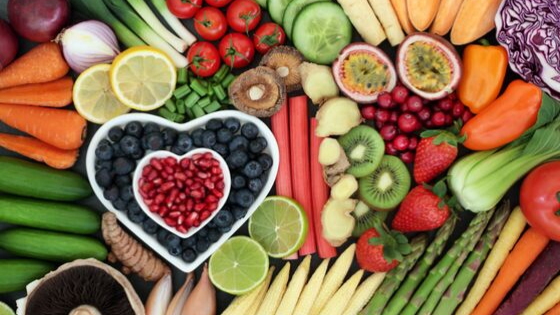
Colourful fruit and veggies
Many fruits and vegetables contain what are known as ‘complex carbohydrates’, which are great for brain health. By releasing energy into our bodies slowly, complex carbohydrates found in fruit and veg can perk up our mood over time.
Many coloured fruits and vegetables also contain antioxidants and vitamins which help us deal with stress. So if you’re feeling a bit overwhelmed or are going through a rough time, upping your fruit and veg intake could help you feel better.
Fermented foods
Fermented foods like unsweetened yoghurts, kimchi, kombucha, and sauerkraut are thought to affect the same parts of your brain as some anti-depressants do. Eating more of them can help with feelings related to anxiety and depression.
And what should we have less of?:
Sugar
Oh so addictive and does the opposite to what complex carbohydrates do for us. Cutting back on sugary foods and drinks can be a great step towards feeling better.
Alcohol
Unfortunately, reaching for a drink won’t always have the effect you’re after. While a glass of wine after a hard day might help you relax, in the long run, it can contribute to feelings of depression and anxiety and make stress harder to deal with. This is because regular, heavy drinking interferes with neurotransmitters in our brains that are needed for good mental health.
Saturated Fats
Studies have suggested that a diet high in saturated fats can cause depression by disrupting the normal functioning of the hypothalamus. The hypothalamus is a small part of your brain that is responsible for releasing hormones, regulating body temperature, controlling appetite and regulating emotional responses.
Although making radical changes to what we eat everyday can be a big ask (and let’s face it – we all need a glass of wine sometimes), making small, mindful choices can start the path to much healthier habits for a lifetime of better mental health.
If you find this subject as interesting as I do, there is an exhibition at Melbourne Museum called Gut Feelings open until February 2020. It looks at the gut in a whole new light through “immersive, multi-sensory experiences”.

Thank you!
You have successfully joined our subscriber list.
leave a comment